Case Studies and Deployments

ArchiSense has been operating since 2018. The first project was delivered in Nizhny Novgorod and focused on bridge monitoring. Subsequent deployments followed in Moscow, the Moscow Region, the Tver Region, Yaroslavl, and other areas. Since then, the system has been used on more than 100 assets, including the construction of stores and supermarkets, single-family houses, large shopping malls, office complexes, and high-rise residential developments.

On construction sites, ArchiSense helps manage risk and schedule. We track deformation, vibration, temperature and humidity profiles, and on-site environmental conditions. The data flows into a single loop where real-time analytics highlights deviations, guides adjustments to construction processes, and streamlines commissioning. In operation, the system reduces the workload for property managers, provides transparency on structural and MEP health, and lowers unplanned costs.

Our geography and use cases have expanded steadily. ArchiSense has been integrated across operating and under-construction retail facilities, in low-rise and high-rise housing, and on large commercial real estate sites. As requirements grew, we added new sensor types and interfaces. The system supports wired and wireless nodes, integrates with BIM, and connects to external IT services through open protocols.

We are currently broadening the scope and running an experiment on a large boat. Sensors are installed on critical hull elements to evaluate vibration, moisture regimes, and localized loads. The objective is straightforward yet important: validate our algorithms on a moving asset and accelerate the transfer of monitoring technology to marine and coastal infrastructure.

ArchiSense matured across projects in Russia and is ready for global scale. We support localization and align with regional standards and integrations. Below are four case studies that illustrate representative tasks and outcomes across different sectors.

Bridge Condition Monitoring, Nizhny Novgorod (2017–2018)

The pilot ArchiSense project was implemented in 2017–2018 on one of the city bridges in Nizhny Novgorod. It became the first stage of practical testing for the concept of digital infrastructure monitoring and the foundation of the ArchiSense platform. At that time, third-party sensors were used, and the main objective was to develop and test a proprietary software core for data collection and analysis.

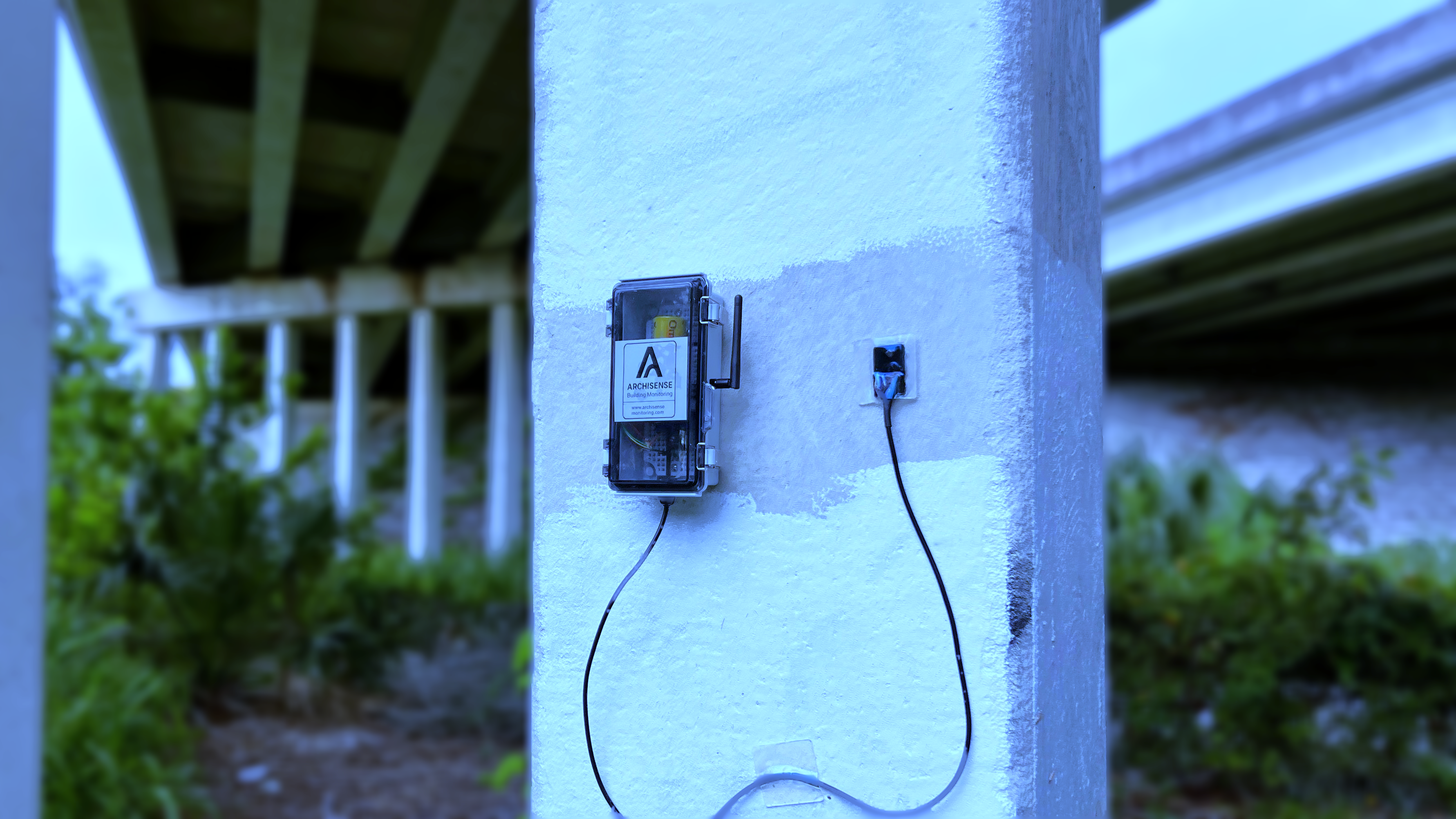
The site was equipped with strain, temperature, and vibration sensors installed on primary girders, supports, and near the deck surface. The system collected data at minute intervals, forming time-series datasets and visualizing readings in the prototype ArchiSense interface. The experiment’s goal was to understand how to correctly integrate data from different sensor types and ensure stable real-time data transmission.

Over six months of continuous monitoring, a substantial dataset was collected, covering deflection variations under traffic loads, temperature fluctuations of steel structures, and frequency characteristics of vibrations. The comparative analysis showed that the bridge’s dynamic behavior remained within acceptable limits, but certain supports exhibited increased sensitivity to temperature shifts, providing valuable insights for scheduled inspections.

At the end of the project, an analytical report was compiled — the first to systematically describe the feasibility of creating a digital twin of an engineering structure based on field measurements. This experience defined the architecture of the future ArchiSense system, including the data acquisition module structure, filtering algorithms, and signal processing logic.

Key tasks and solutions during the project:

  • Integration of data from 12 sensors of various manufacturers into a unified storage and analysis system
  • Development of a basic software interface for graph visualization and parameter correlation
  • Modeling daily and seasonal load variations to establish a normal operating range for the structure
  • Preparation of recommendations for the city’s engineering department to optimize inspection schedules and support control

The bridge project in Nizhny Novgorod became the foundation for future implementations. It demonstrated that even with heterogeneous sensor systems, a stable digital monitoring loop could be built. From this project, the ArchiSense methodology began to take shape — from calibration protocols to the architecture of cloud-based analytics. From that moment, the system started evolving as an independent technological product.
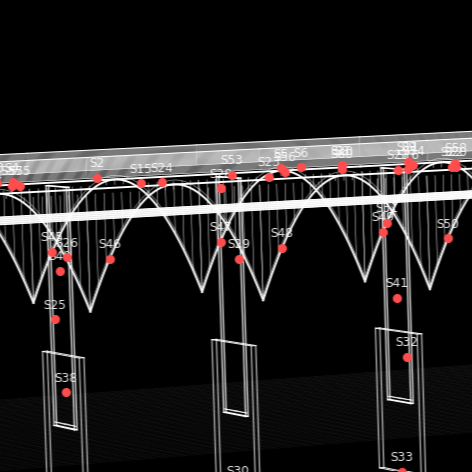
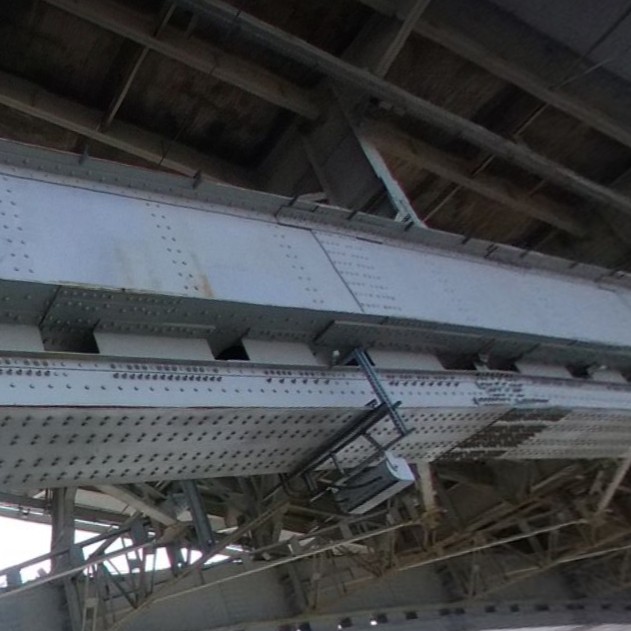
Bridge monitoring case – photo 1 Bridge monitoring case – photo 2 Bridge monitoring case – photo 3

Residential House Construction Monitoring, Moscow Region, Voyennosluzhashchiy Settlement, Zagorodnaya St. (2020)

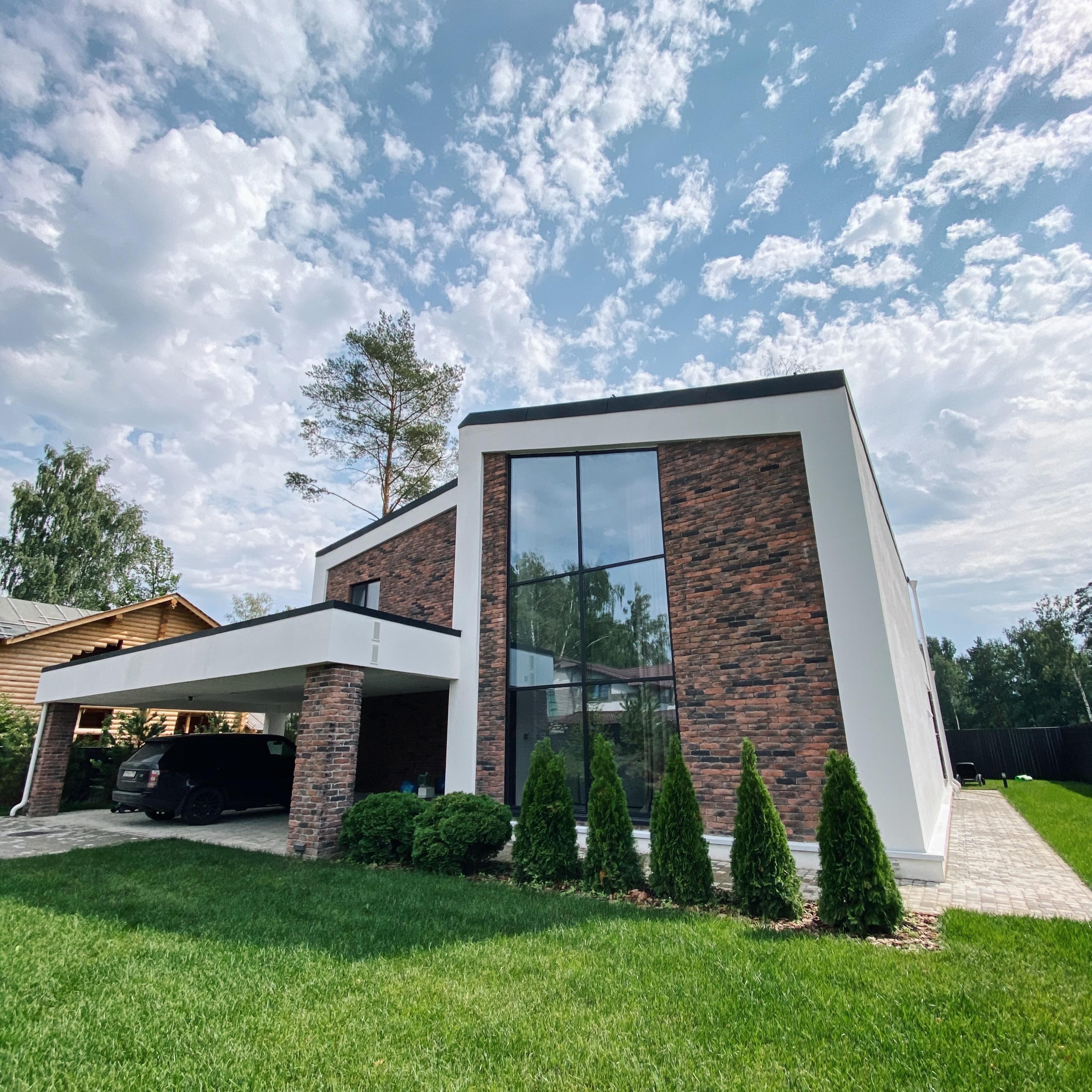
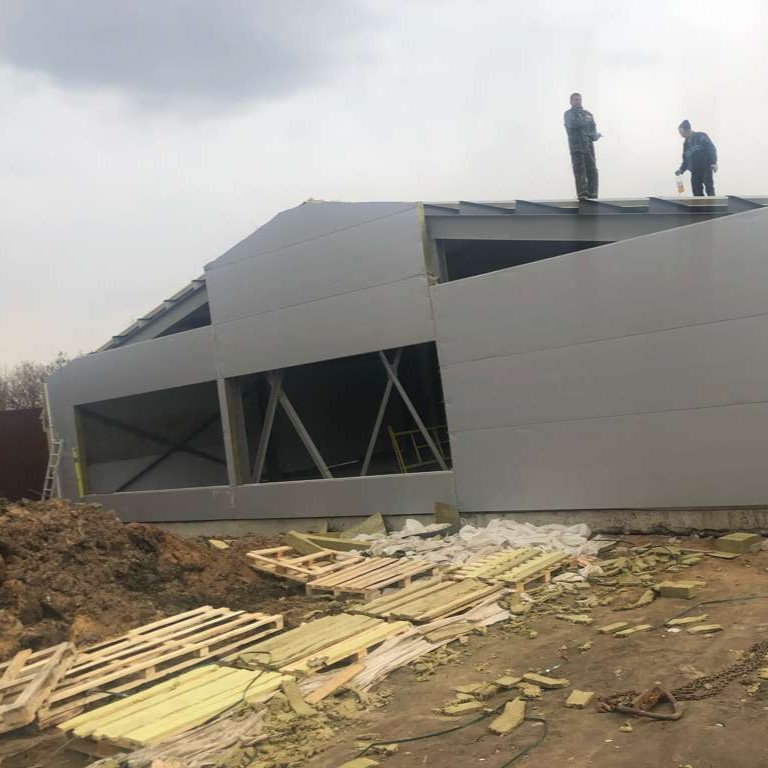
In 2020, the ArchiSense system was applied during the construction of a single-family residential house in the Voyennosluzhashchiy settlement, Moscow Region. The goal was to monitor the condition of the foundation, site, and roof during construction and initial operation. It was one of the first applications of ArchiSense in low-rise individual housing.

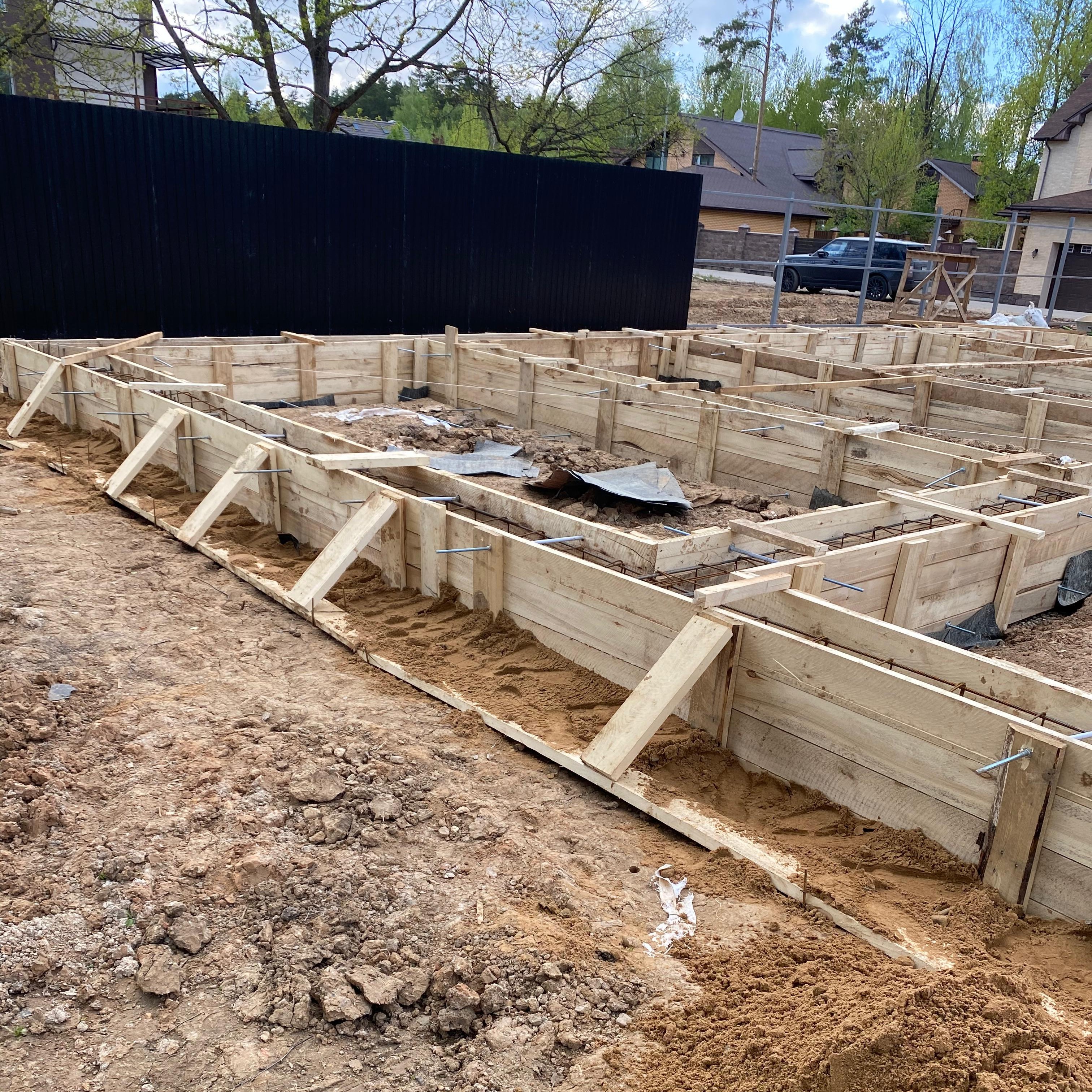
Before construction began, accelerometers and strain sensors were installed to measure micro-vibrations and ground shifts during site leveling. The system captured vibration dynamics during screw pile installation and grading. These readings proved that a crack on the neighboring building façade was not caused by current earthworks — analysis showed the deformation predated the construction, while vibration amplitudes during the works were too low to trigger new damage.

Strain and temperature sensors were installed on the foundation to monitor concrete behavior after pouring. Measurements revealed that the contractor had used concrete of a lower grade than specified in the design. With ArchiSense, it was possible to track settlement and curing temperature conditions, confirming that the structure achieved sufficient strength and did not require reconstruction — preventing potentially costly rework.

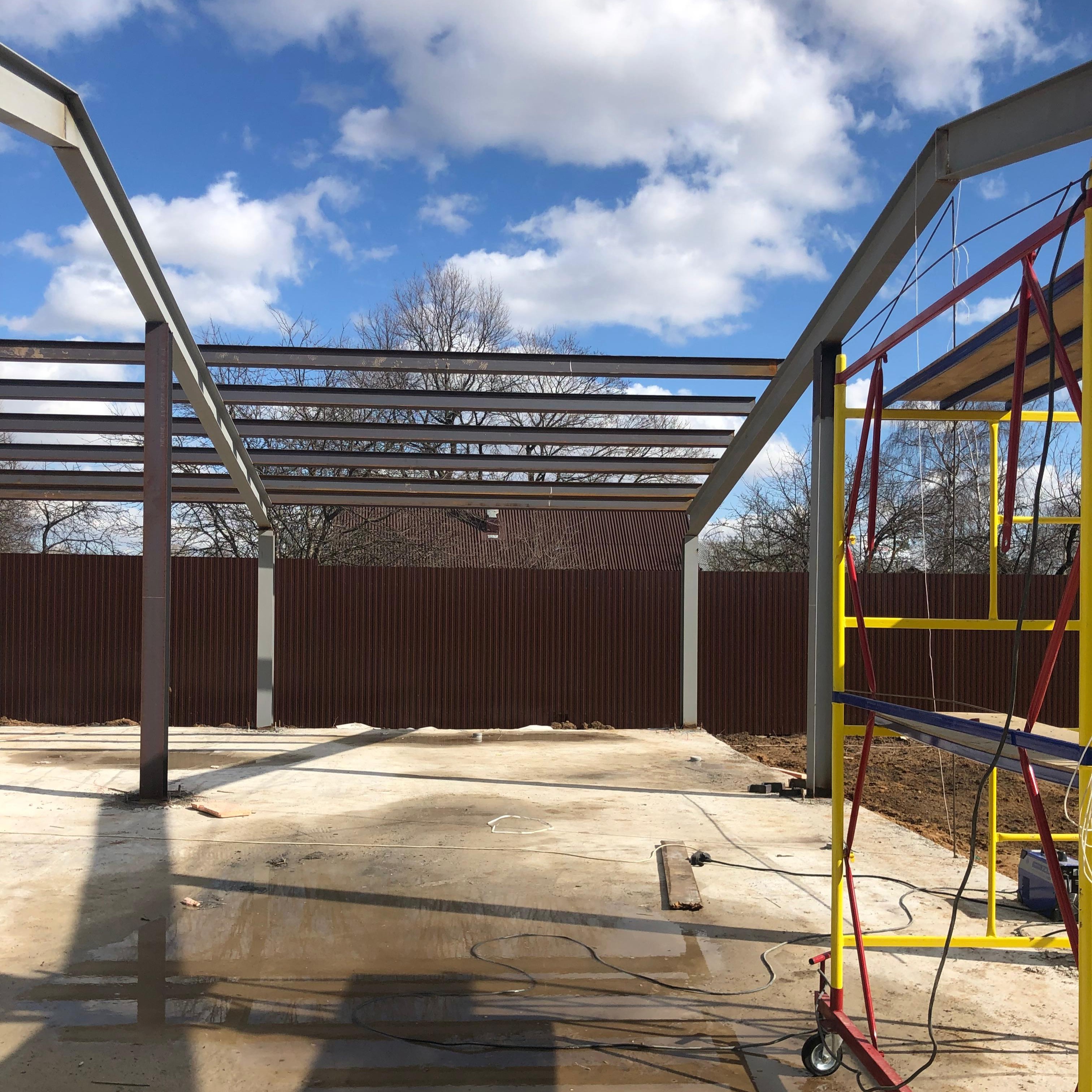
A separate monitoring module was installed on the roof. At the client’s request, the system measured thermal deformation and vibration of the standing-seam metal roof with sandwich panels. This made it possible to assess the roof’s behavior in hot and cold periods and adjust fastening details to reduce noise loads under wind conditions.

Key solutions and project outcomes:

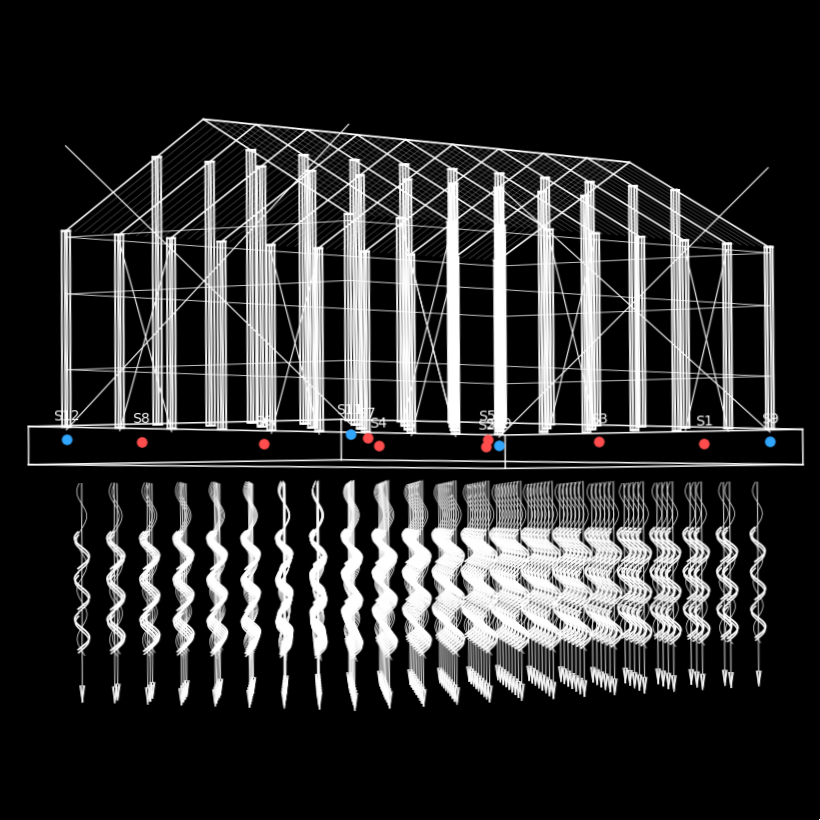
  • Accelerometers and strain sensors in soil to record micro-displacements and vibrations during site leveling
  • Temperature and strain sensors in the foundation to monitor settlement and concrete strength development
  • Roof-mounted modules to analyze thermal expansion of standing-seam panels and wind-induced oscillations
  • Automatic report generation with time-series visualization and vibration spectrum comparison

As a result, the homeowner obtained reliable data confirming the absence of construction violations and avoided legal claims from neighbors. The system also helped predict a potential settlement zone near one pile, allowing localized reinforcement. The outcome was reduced risk and significant cost savings while maintaining high construction quality.

Private house monitoring case – photo 1 Private house monitoring case – photo 2 Private house monitoring case – photo 3

Foundation and Frame Monitoring of a Retail Building, Balashikha, Shchyolkovskoye Highway (2021–2022)

In 2021, the ArchiSense system was deployed during the construction and subsequent monitoring of a single-story retail building of approximately 900 m², located in Balashikha (Shchyolkovskoye Highway, Moscow Region). Construction was carried out during winter, requiring special attention to foundation and subgrade behavior after thawing in spring.

ArchiSense sensors were installed in early spring, after the foundation and wall assembly were completed. The setup included displacement sensors, strain gauges on reinforcement, accelerometers, and temperature modules. The system recorded deformations and micro-movements at minute intervals. Within several weeks after thawing, the system detected a gradual uplift of one corner of the foundation — approximately 10 cm along one diagonal axis.

Visually, the displacement was minor and could have gone unnoticed without monitoring. However, time-series analysis revealed increased stresses in the concrete strip and uneven load distribution across the frame. Early detection prevented critical tilt and potential damage to the façade glazing.

The uplift was caused by uneven freezing and thawing of soil in a corner zone, where the drainage layer had been compromised. Based on ArchiSense data, the team decided to open a section of the foundation and adjust the sand-gravel cushion. Additionally, the foundation was reinforced, and Enso metal sensors were integrated to monitor axial and lateral movements.

Key monitoring stages and outcomes:

  • Installation of displacement sensors, strain gauges, accelerometers, and thermal modules along the foundation perimeter
  • Early detection of corner foundation uplift (~10 cm) before visual deformation became noticeable
  • Diagnosis of uneven thawing and adjustment of subgrade with localized zone reinforcement
  • One-year follow-up monitoring confirming structural stabilization and absence of further displacement

The ArchiSense system remained active for a year after corrective works. Sensors showed stable readings with no signs of repeated displacement or residual stress accumulation. This case became a clear example of how continuous monitoring not only identifies issues but also validates the effectiveness of engineering solutions. The building remains fully operational to this day.

Retail building foundation monitoring – photo 1 Retail building foundation monitoring – photo 2 Retail building foundation monitoring – photo 3

High-Rise Office Building Monitoring, Moscow-City (2023–present)

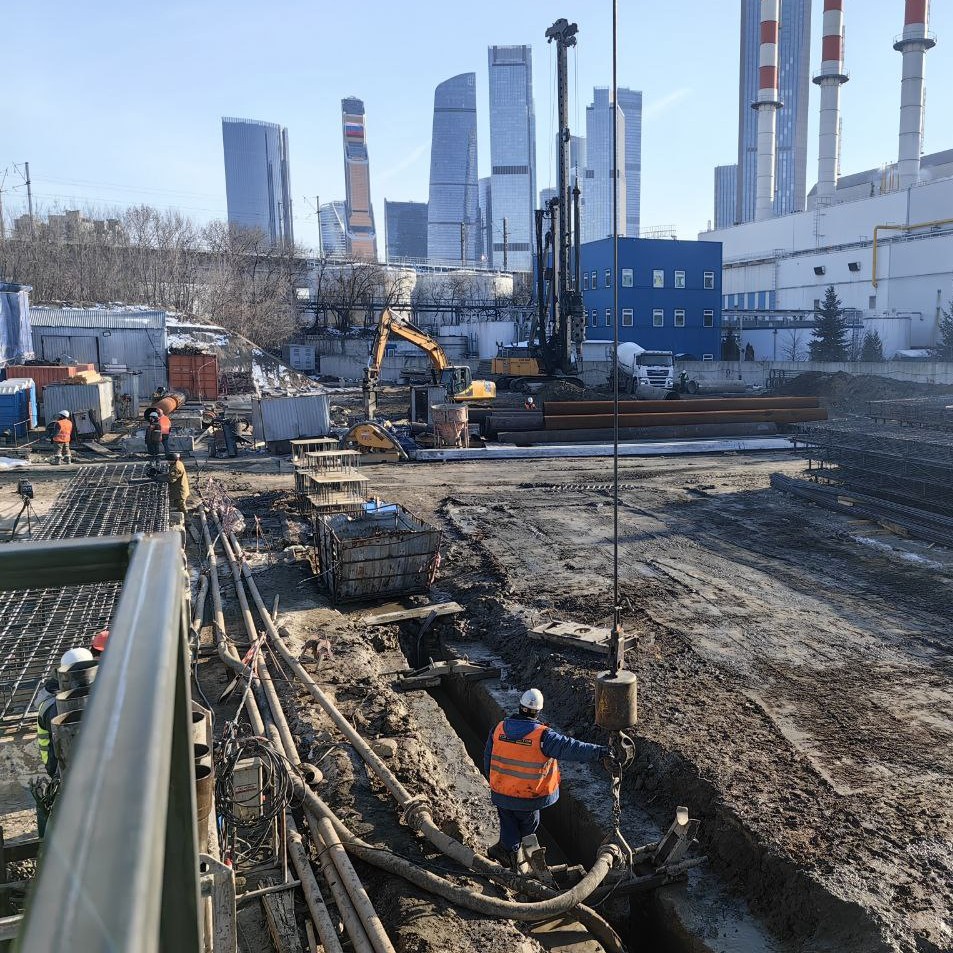
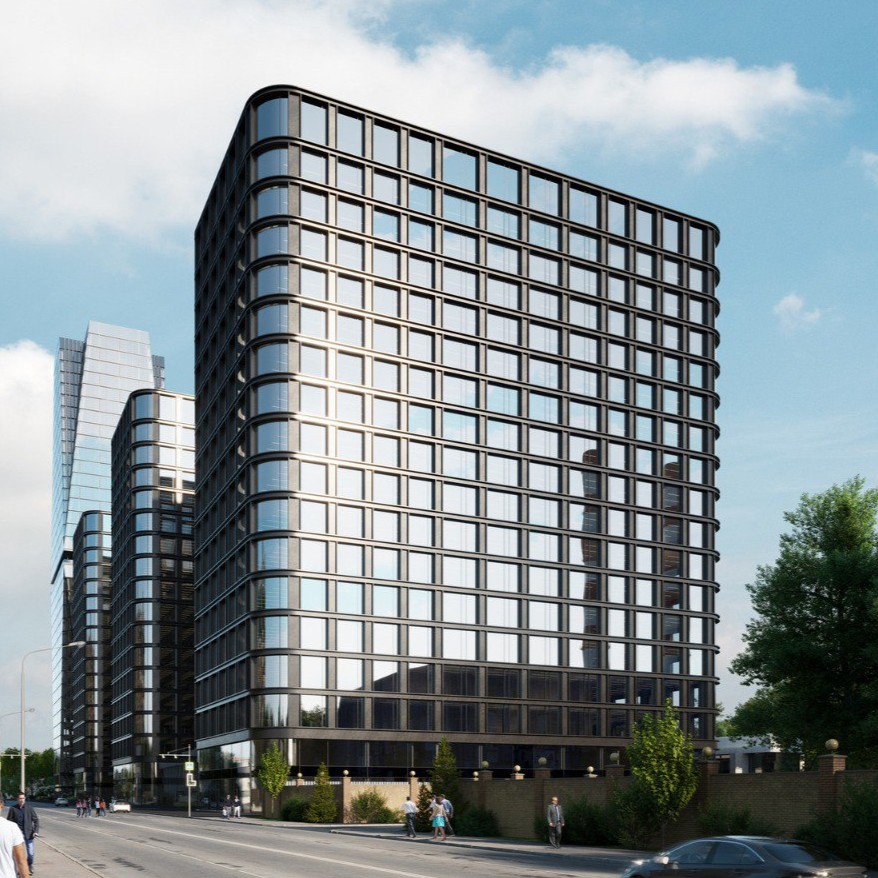
Since 2023, the ArchiSense system has been deployed on a high-rise office tower in the Moscow-City business district. This large-scale project implements a comprehensive monitoring architecture covering everything from foundation and load-bearing frame to roof and utility systems. Implementation is being carried out in stages, with progressive integration of new subsystems and proprietary sensor modules.

At the current stage, accelerometers, vibration sensors, and displacement gauges are installed to capture dynamic behavior under wind and operational loads. On the foundation, temperature and strain modules analyze load redistribution across bearing zones. Around the lower levels, humidity and corrosion sensors are mounted to provide early detection of moisture ingress and potential concrete degradation.

The next stage involves integrating ArchiSense-developed modules for humidity, temperature, and vibration control inside the premises, along with an intelligent microcrack detection system. It will operate using high-sensitivity strain gauges and ultrasonic sensors capable of detecting the onset of micro-deformations in structural elements long before visible damage appears.

The project includes the creation of a full digital twin of the building — a 3D model synchronized with live sensor data streams. The model reflects the condition of structures, MEP systems, and underground elements in real time. This enables data-driven management, early risk detection, and highly accurate maintenance planning.

Key technological features of the project:

  • Accelerometers and vibration sensors tracking oscillations of the high-rise structure under wind loads
  • Displacement and strain sensors in frame and foundation to analyze settlement and stress redistribution
  • Humidity and corrosion sensors in underground levels to detect leaks and reinforcement degradation
  • Intelligent microcrack detection module based on ultrasonic and strain-gauge measurements
  • Building digital twin with real-time data visualization in the BIM model

The Moscow-City project marks a major step toward full-cycle monitoring integration — from subgrade parameters to the condition of MEP systems. It sets a foundation for new high-rise safety standards and positions ArchiSense technologies for deployment on projects of any scale, including international implementations.

Moscow-City high-rise monitoring – photo 1 Moscow-City high-rise monitoring – photo 2 Moscow-City high-rise monitoring – photo 3

Experimental Hull and Systems Monitoring, New Vessel/Boat (2024–2025)

A client purchased a new powerboat and requested ArchiSense to detect hidden defects early and to validate safety during the initial seasons of operation. The project is experimental. The goal is to capture a complete picture of hull loading and powertrain behavior in real conditions and convert these data into actionable service and tuning recommendations.

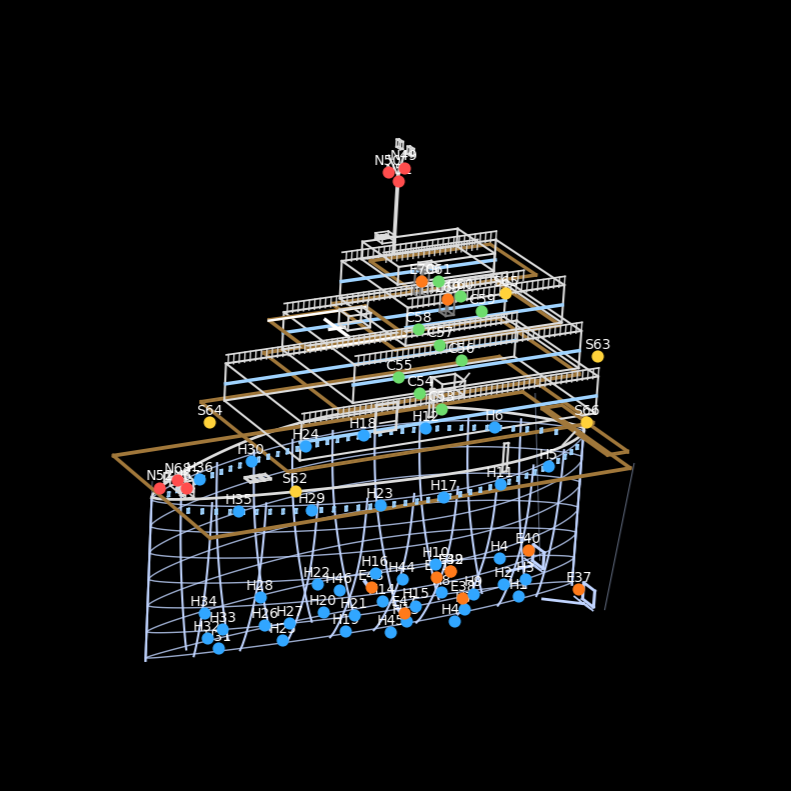
The system is deployed on the hull and in the engine room. Strain gauges are bonded to stringers and near the keel to track stresses from wave slamming and crest impacts. Accelerometers and IMU units are mounted at the bow, midship, and stern to record linear accelerations and angular rates. Vibration and temperature sensors monitor shaft bearings and the stern tube area. Engine room modules monitor temperature, humidity, and leak presence. Bilge sensors track water level and contact moisture ingress. Corrosion probes are installed at locations with galvanic risk. Speed and heading are recorded to contextualize loading conditions.

Data are streamed to an onboard acquisition unit and synchronized to the server over a secure link when connectivity is available. The architecture includes profiles for sea trials, regular passages, and layups. For each profile the system builds stress and acceleration time series, vibration spectra, thermal maps of overheating, and compartmental moisture ingress maps.

Sensor suite and installation zones:

  • Strain gauges on stringers and near the keel to track hull stresses
  • Tri-axial accelerometers and IMUs at bow, midship, and stern for slamming and resonance analysis
  • Vibration and temperature sensors on engine mounts, gearbox, and shaft bearings
  • Bilge level and contact water indicators in bilges and underfloor spaces for early leak detection
  • Humidity and temperature modules in the engine room and enclosed compartments
  • Corrosion probes at dissimilar metal interfaces near seawater exposure
  • Optional acoustic emission sensors on bulkheads to capture microcrack initiation

During initial runs the system recorded peak accelerations and localized stress under head seas at common RPM ranges. Analytics recommended modifying acceleration profiles, retorquing a mounting assembly, and performing shaft line balancing. Bilge leak sensors in the fore compartment registered isolated events after docking. Inspection found a minor cable gland issue which was promptly resolved. Corrosion probes confirmed proper protection and no trend toward accelerated degradation.

Operating mode and conclusions:

  • Trial and passage profiles are stored as a baseline for future season comparisons
  • Threshold alerts configured for slamming loads, overheating, vibration, and moisture ingress
  • A prototype digital twin of the hull is maintained with risk zones and a log of mitigations
  • The owner receives validation of proper operating regimes and a tool for warranty discussions with the yard

The project demonstrates how real-time monitoring reduces uncertainty in the early years of operation and enables predictive maintenance. The system remains onboard to track seasonal trends. The data help confirm passenger safety and hull integrity during routine and ad hoc inspections.

Vessel monitoring – photo 1

In recent years, the ArchiSense system has been implemented at numerous facilities of various types. Below is a list of addresses where installation and operation of the monitoring system were carried out.

Moscow

Moscow Region

Russian Regions

Clients do not need to purchase the system permanently — it is offered as a subscription service. We determine which sensors are required, where and how they should be installed. The rental or usage period corresponds to the project’s duration. Once the work is completed, the equipment is removed, verified, and reused. This approach minimizes costs and makes ArchiSense suitable even for short-term or localized monitoring tasks.

For the client, the process remains straightforward: they receive clear reports and notifications without having to delve into technical details. ArchiSense informs them if something changes in the structure and provides specific recommendations — to inspect, repair, or confirm stability. We handle everything else: setup, calibration, analysis, and data management.

This operating model is particularly valuable during reconstructions, when an owner or investor needs assurance that the contractor does not compromise load-bearing elements, weaken the foundation, or introduce additional risks. The system records any changes related to deformation, vibration, humidity, or temperature shifts, allowing remote oversight of the construction process.

Today, ArchiSense serves not only builders but also property management companies, homeowners associations, and technical clients. Thanks to its modular design and subscription model, the system scales easily and remains economically viable for assets of any size — from a private home to a high-rise complex. Our sensors last for years, and the data remain accurate and relevant, ensuring safety, transparency, and confidence.

Map of ArchiSense project locations