ArchiSense Sensor Architecture

The sensor network forms the core of the ArchiSense system. It unites measurement nodes specifically designed for monitoring building structures, MEP systems, and the surrounding environment. We build an integrated web of devices that capture physical parameters of the asset in real time and transmit data to the analytics module. This enables engineers to observe how a structure behaves at every stage, from foundation to roof.

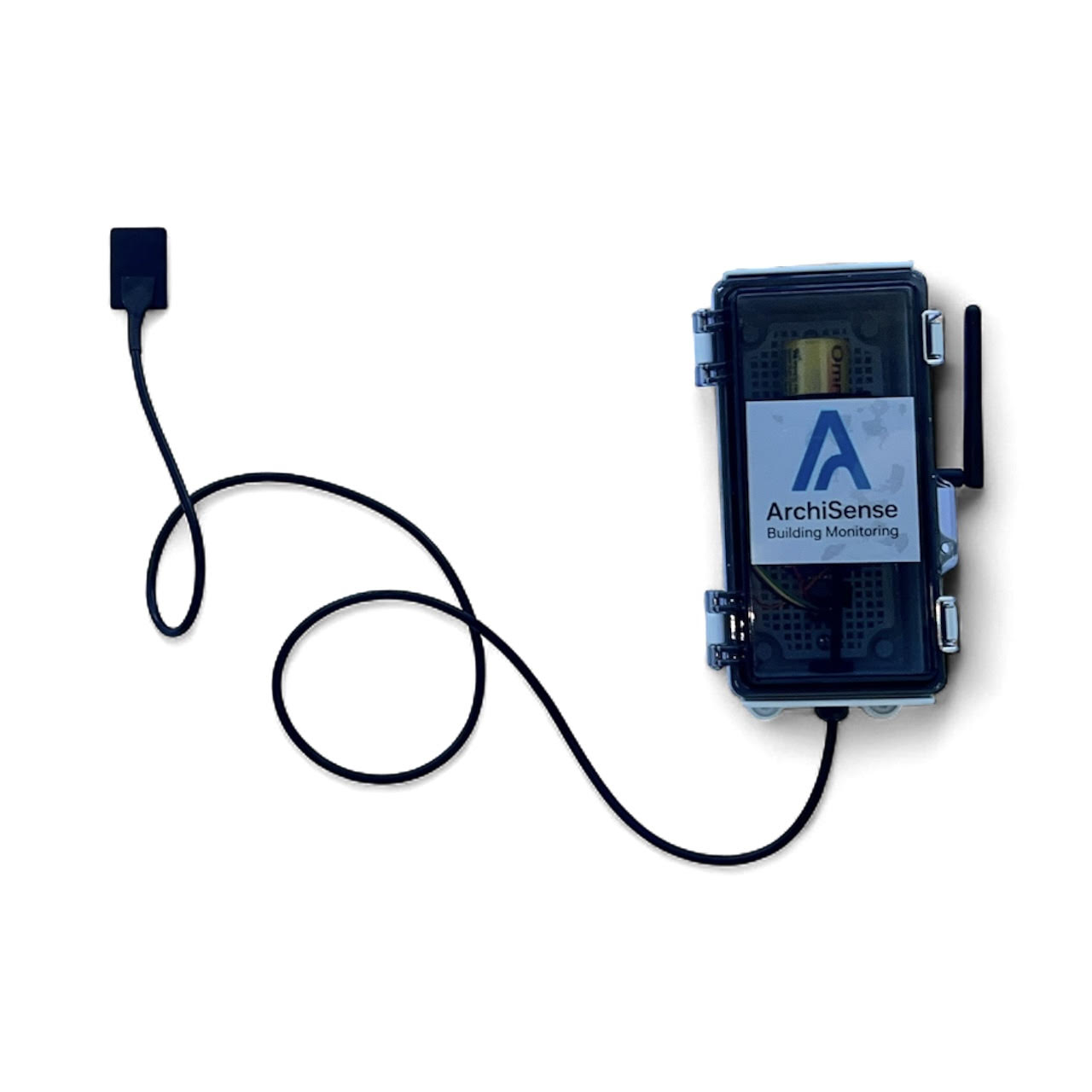
ArchiSense sensor architecture

The sensors operate as a unified organism, transmitting data on strain, vibration, temperature, humidity, and pressure. Each type of sensor serves a specific role, but together they form a digital portrait of the asset. ArchiSense employs both wired and wireless technologies, including Ethernet, RS485, Wi-Fi, LoRaWAN, and Zigbee enabling the system to scale seamlessly from private homes to large industrial facilities.

All sensors undergo calibration and certification in accordance with international ISO and ASTM standards. We place special emphasis on durability and resistance to environmental conditions. The ArchiSense architecture is built around reliability and precision, every signal received from a sensor is processed in real time and used to assess structural integrity and forecast behavior.

ArchiSense Strain and Force Sensors

Custom-engineered strain and force sensors by ArchiSense provide high-precision measurement of stresses and deformations in critical structural components. We utilize both resistive and fiber-optic technologies to detect even the slightest deviations under permanent and dynamic loads. These sensors are essential for monitoring beams, columns, slabs, and connection joints. All sensors comply with international ISO and ASTM standards and undergo rigorous quality assurance.

Each sensor undergoes individual calibration and laboratory testing. We take into account the specific characteristics of each structure — material type, load scheme, temperature conditions, and installation method. This ensures data reliability throughout the entire service life of the structure.

ArchiSense employs an integrated data acquisition architecture combining wired and wireless nodes, enabling real-time structural condition monitoring. All signals are filtered and transmitted to the system’s analytical module, where graphs, anomalies, and alerts are generated.

Key advantages of ArchiSense sensors:

  • High measurement accuracy and long-term stability of readings
  • Compliance with international ISO and ASTM standards
  • Integration support with any types of controllers and monitoring systems
  • On-site calibration and diagnostics without halting the facility

ArchiSense technologies enable the creation of full-scale digital twins for bridges, buildings, and industrial facilities. The sensors serve as the primary element of this ecosystem, providing a continuous data stream essential for analysis, forecasting, and optimization of structural conditions.
ArchiSense sensor detail

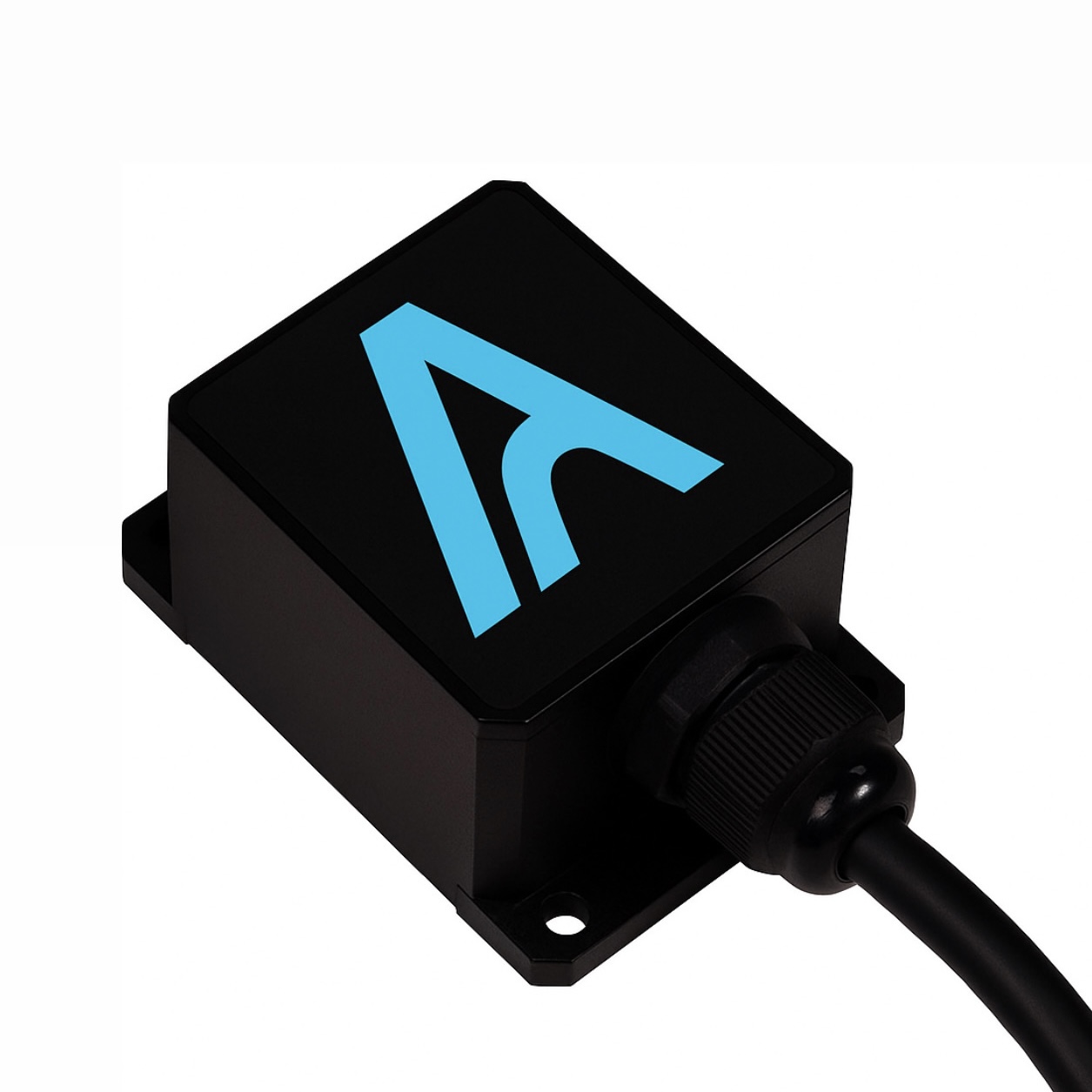
ArchiSense Vibration and Inertial Sensors

MEMS accelerometers, gyroscopes, and vibration sensors developed by ArchiSense engineers are designed to analyze the dynamic characteristics of buildings and structures. These sensors detect oscillations, displacements, and resonant phenomena, which is critical for monitoring bridges, industrial facilities, and high-rise buildings. The collected data enables spectral analysis, detection of frequency deviations, and forecasting of vibration-induced damage from traffic, wind, or machinery.

The sensors are based on microelectromechanical systems (MEMS) and provide high-frequency sampling of even the smallest accelerations. Due to their compact size and energy efficiency, these devices are easily integrated into existing structures, including beams, slabs, and trusses.

ArchiSense employs advanced signal processing using spectral analysis and machine learning, allowing early detection of changes in the dynamic behavior of structures. These algorithms help identify potential damages and provide automated diagnostics of structural conditions.

Key advantages of ArchiSense vibration sensors:

  • High sensitivity to micro-vibrations and displacements
  • Capability for continuous real-time monitoring
  • Compact design and low power consumption
  • Integration with the ArchiSense platform for spectral and resonance analysis

Vibration and inertial sensors are a key element of the ArchiSense system for assessing structural stability under dynamic loads. Their application is particularly effective in monitoring bridges, towers, industrial buildings, and high-rise structures, where timely detection of frequency changes is essential.

ArchiSense vibration sensor

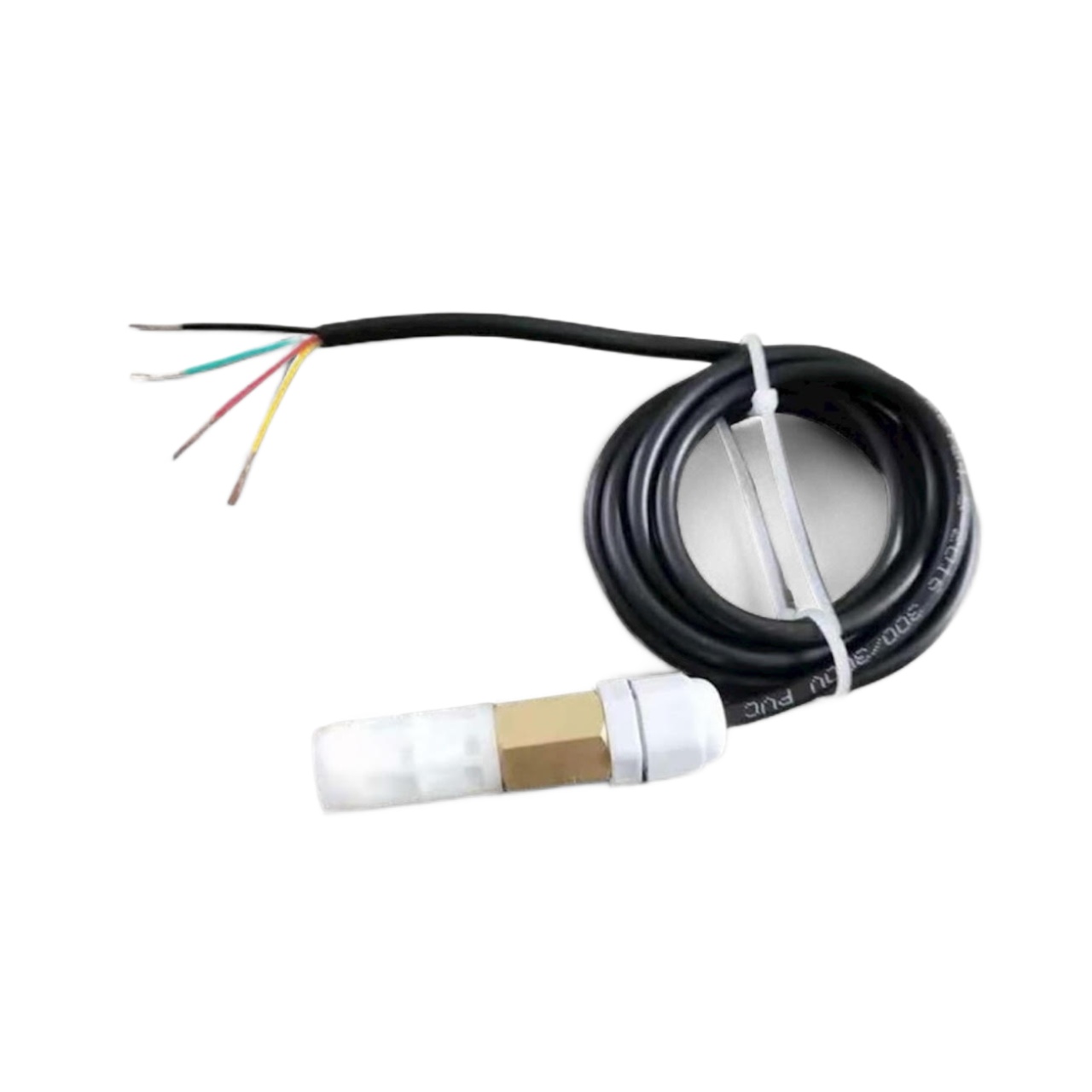
ArchiSense Temperature and Climate Sensors

ArchiSense engineers have developed temperature, humidity, pressure, and CO₂ sensors used in building automation systems. These devices enable a comprehensive assessment of operating conditions, as fluctuations in temperature and humidity directly affect the properties of construction materials. ArchiSense sensors are reliable, durable, and integrate seamlessly with building management systems (BMS, SCADA).

Each sensor is factory-calibrated and designed for long-term operation across a wide temperature range — from industrial facilities to residential complexes. Thanks to their modular architecture, the devices can be networked for real-time microclimate monitoring.

Sensor data is integrated into the ArchiSense Analytics system, where temperature and humidity variations are analyzed, parameter distribution maps are generated, and risks of condensation or material deformation are predicted.

Key advantages of ArchiSense climate sensors:

  • Accurate measurement of microclimate parameters (temperature, humidity, CO₂)
  • Full compatibility with BMS and SCADA systems
  • Durability and resistance to temperature and humidity fluctuations
  • Support for cloud analytics and integration with ArchiSense Analytics

ArchiSense temperature and climate sensors are used not only in construction projects but also in logistics, museum, and laboratory complexes, where maintaining stable conditions is critical. These devices form the foundation for sustainable, energy-efficient, and intelligent infrastructure.

ArchiSense temperature and climate sensor

ArchiSense Crack Gauge

The ArchiSense crack gauge is designed for high-precision measurement of crack openings and displacements in concrete, masonry, and steel structures. It records linear deformations with a resolution of up to 0.01 mm, providing reliable real-time structural condition monitoring.

The device features an anodized aluminum housing with IP65 protection, allowing operation in harsh environmental conditions and on vibration-prone structures. The sensor connects to the ArchiSense Monitoring system via a standard wired interface and is compatible with most industrial controllers.

ArchiSense crack gauges are used in inspections of bridges, buildings, tunnels, and engineering facilities requiring long-term monitoring of crack openings and settlements. The collected data is transmitted to the ArchiSense analytics platform for trend visualization, change detection, and deformation forecasting.

Key specifications of the ArchiSense crack gauge:

  • Measurement range: 0–50 mm
  • Resolution: 0.01 mm
  • Housing: anodized aluminum, IP65 protection
  • Connection interface: wired digital output
  • Compatibility: ArchiSense Monitoring, SCADA, BMS

Thanks to its high accuracy and reliability, the ArchiSense crack gauge is used in digital monitoring projects and digital-twin creation, providing engineers with precise data for assessing the technical condition of structures.

All sensors integrated into the ArchiSense system undergo rigorous calibration and certification. They connect via wired (Ethernet, RS485) or wireless (Wi-Fi, LoRaWAN, Zigbee) communication channels, enabling a flexible system architecture adaptable to any environment. All data is processed in real time, and when deviations from standard values are detected, the system promptly generates alerts and reports for engineers and facility managers.

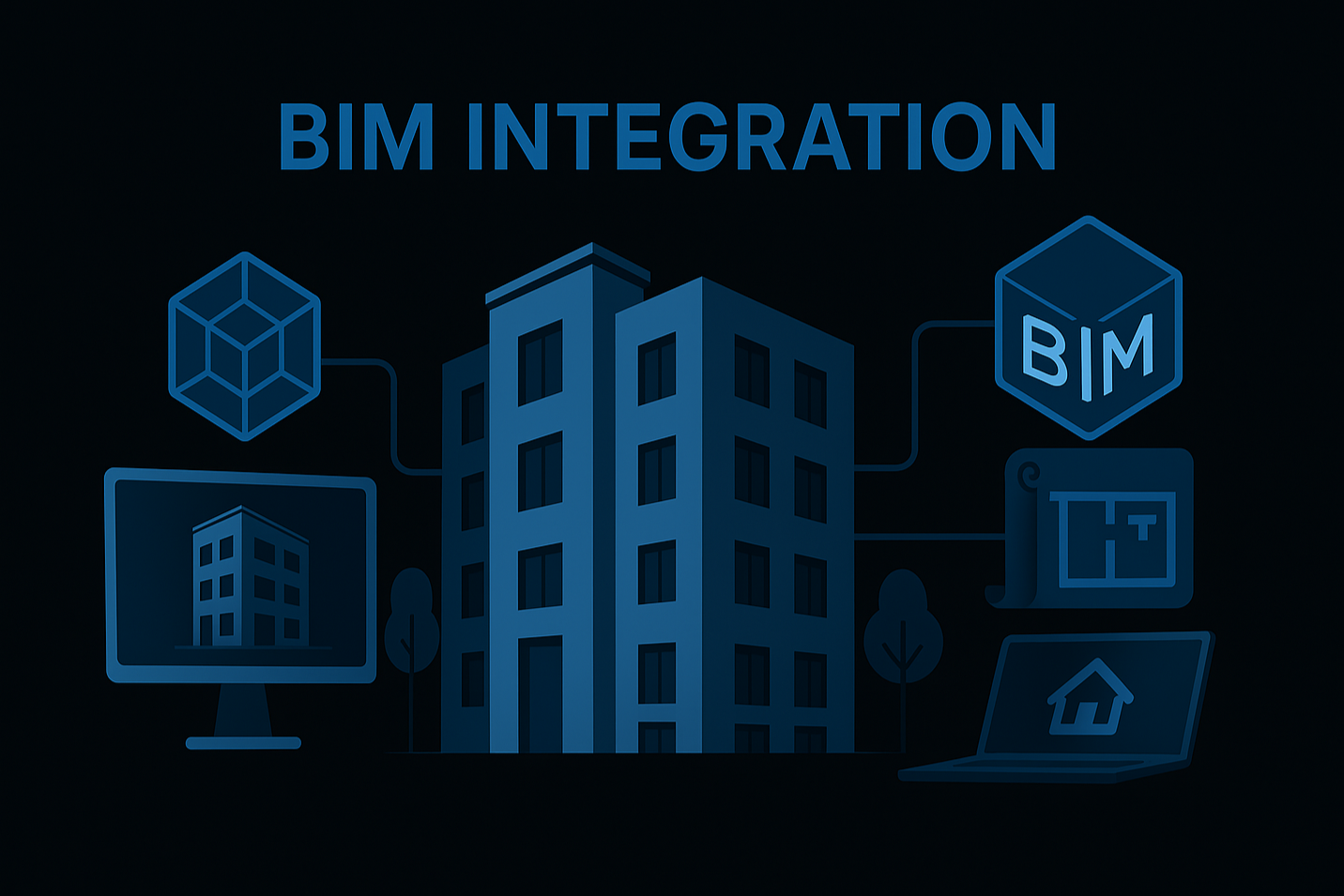
Integration with BIM

ArchiSense integrates with BIM models (Building Information Modeling) and digital twin systems, providing a unique opportunity to combine physical data with virtual models of buildings and structures. This means that all data from sensors — deformation, vibration, temperature, humidity, air quality — are automatically linked to the corresponding elements of the digital model, creating a dynamic, living map of the object's condition.

Thanks to this, building owners, engineers, and management companies receive not just dry graphs and tables but a visualization of problem areas in 3D format. For example, if a sensor under the floor reports excessive vibration, the corresponding section of the model will be highlighted, and the system will suggest possible causes and recommendations. This enables informed decisions, faster threat responses, and proactive maintenance planning based on real data, not assumptions.

ArchiSense supports integration with popular BIM platforms such as Autodesk Revit, Navisworks, Bentley Systems, as well as open data formats like IFC (Industry Foundation Classes). This ensures compatibility with most design and operational software used in architecture, construction, and facility management. The ArchiSense interface allows both manual import/export of data and configuration of automatic exchange via API.

The digital twin created with ArchiSense is not just a picture. It is a living, constantly updated model that allows you to: monitor structural conditions 24/7, predict element behavior under different load scenarios, track historical data, and identify trends. This approach opens new horizons for asset management, significantly reducing risks, improving safety, and saving resources.

Implementing ArchiSense with BIM enables a shift from a reactive ('it broke — fix it') approach to proactive and predictive management. The system provides deep analytics, decision-making support, and high-level data visualization, making it an indispensable tool for modern engineers, management companies, and developers.

BIM Integration