Bridge Condition Monitoring, Nizhny Novgorod (2017–2018)
The pilot ArchiSense project was implemented in 2017–2018 on one of the city bridges in Nizhny Novgorod. It became the first stage of practical testing for the concept of digital infrastructure monitoring and the foundation of the ArchiSense platform. At that time, third-party sensors were used, and the main objective was to develop and test a proprietary software core for data collection and analysis.
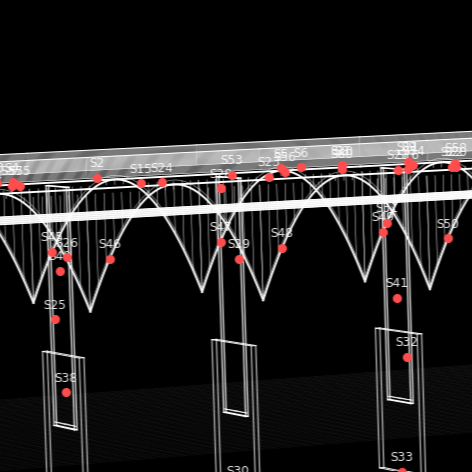
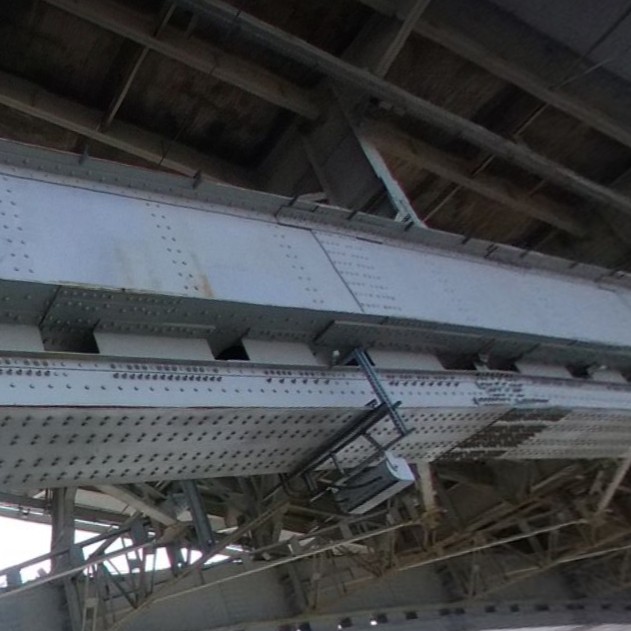
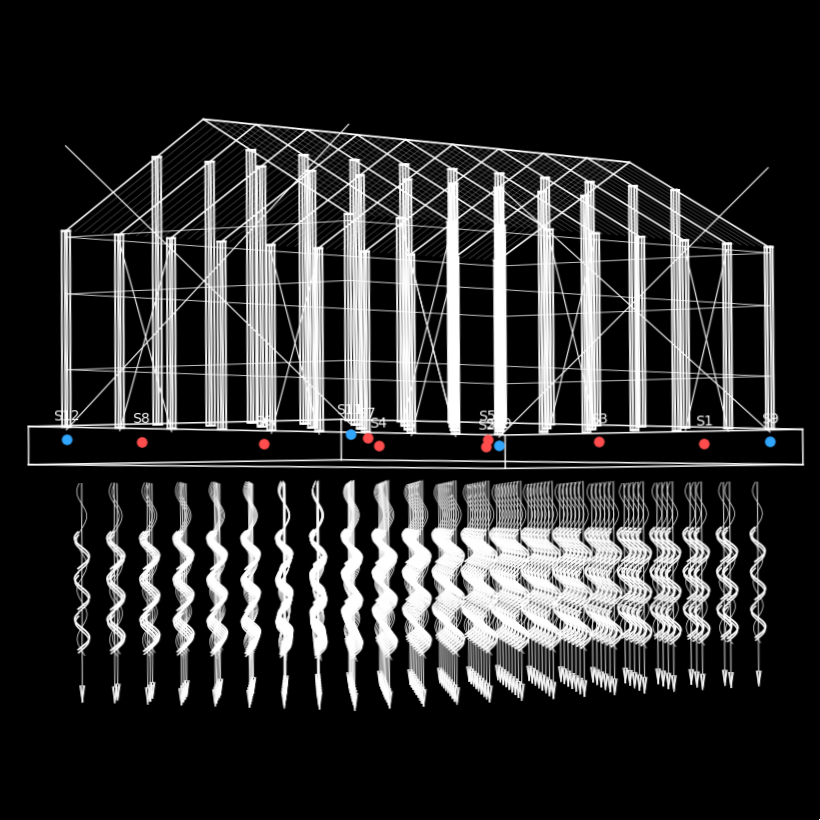
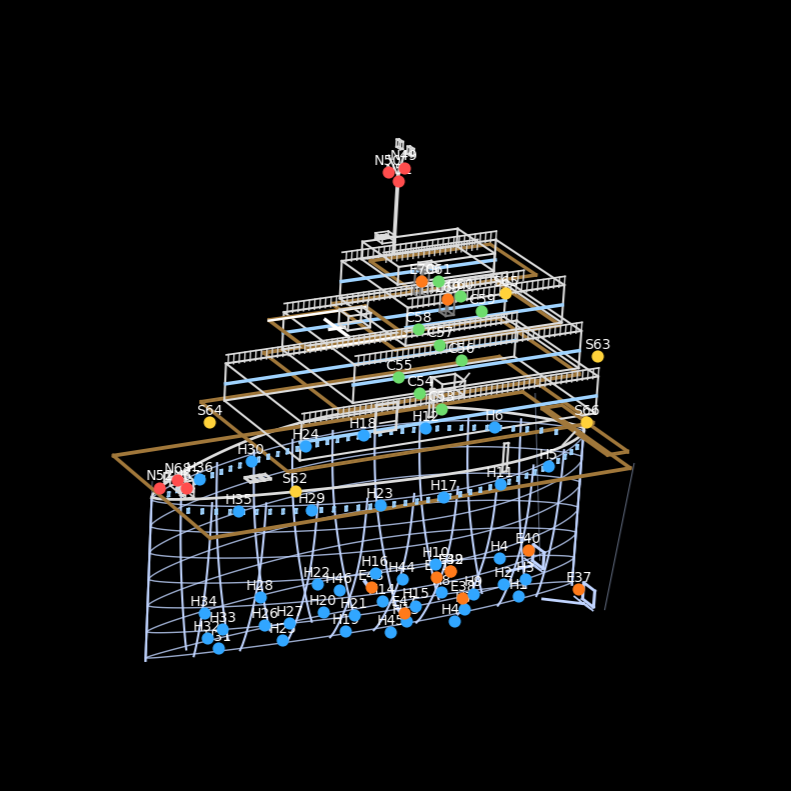
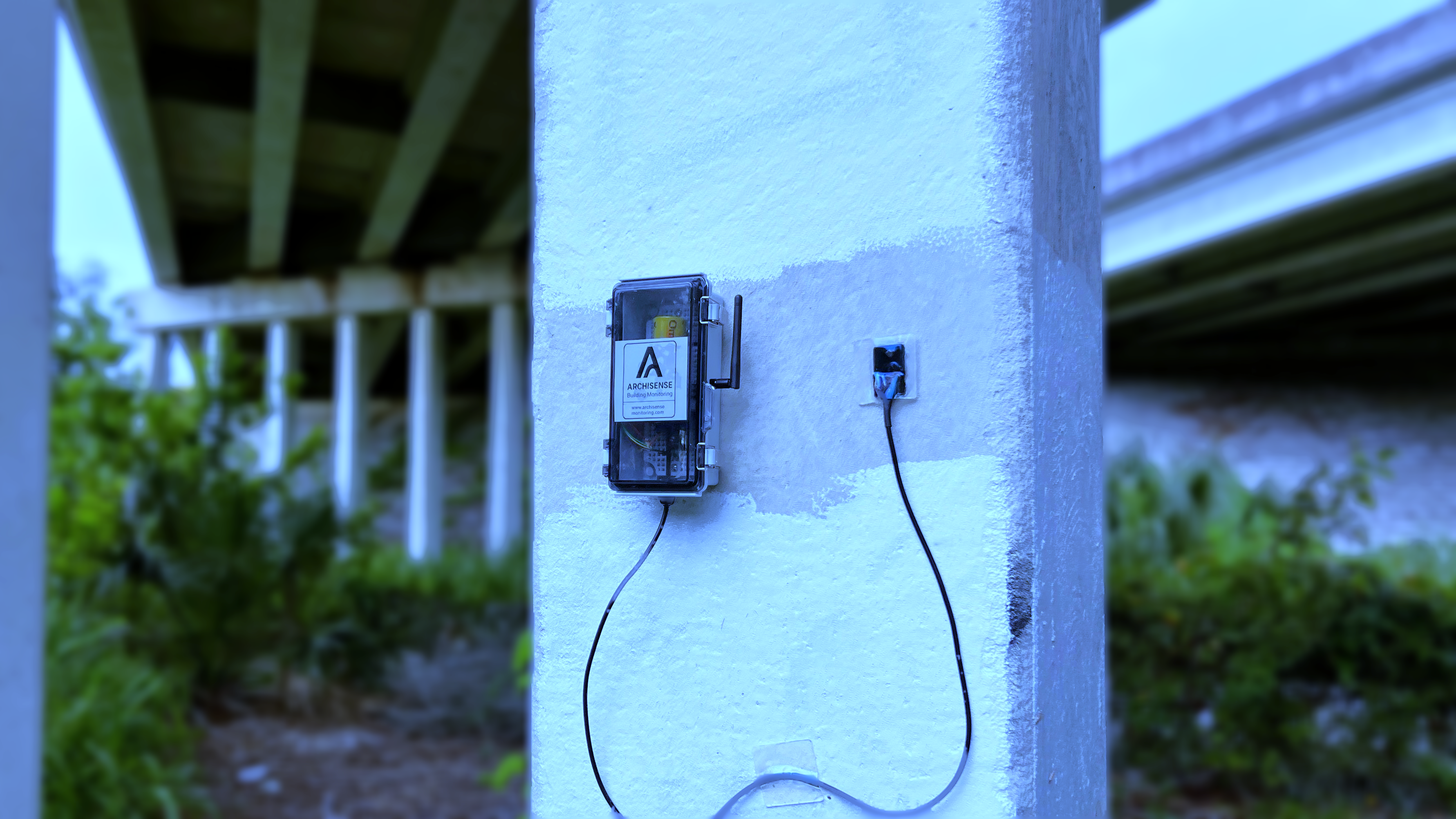
The site was equipped with strain, temperature, and vibration sensors installed on primary girders, supports, and near the deck surface. The system collected data at minute intervals, forming time-series datasets and visualizing readings in the prototype ArchiSense interface. The experiment’s goal was to understand how to correctly integrate data from different sensor types and ensure stable real-time data transmission.
Over six months of continuous monitoring, a substantial dataset was collected, covering deflection variations under traffic loads, temperature fluctuations of steel structures, and frequency characteristics of vibrations. The comparative analysis showed that the bridge’s dynamic behavior remained within acceptable limits, but certain supports exhibited increased sensitivity to temperature shifts, providing valuable insights for scheduled inspections.
At the end of the project, an analytical report was compiled — the first to systematically describe the feasibility of creating a digital twin of an engineering structure based on field measurements. This experience defined the architecture of the future ArchiSense system, including the data acquisition module structure, filtering algorithms, and signal processing logic.
Key tasks and solutions during the project:
- Integration of data from 12 sensors of various manufacturers into a unified storage and analysis system
- Development of a basic software interface for graph visualization and parameter correlation
- Modeling daily and seasonal load variations to establish a normal operating range for the structure
- Preparation of recommendations for the city’s engineering department to optimize inspection schedules and support control
The bridge project in Nizhny Novgorod became the foundation for future implementations. It demonstrated that even with heterogeneous sensor systems, a stable digital monitoring loop could be built. From this project, the ArchiSense methodology began to take shape — from calibration protocols to the architecture of cloud-based analytics. From that moment, the system started evolving as an independent technological product.